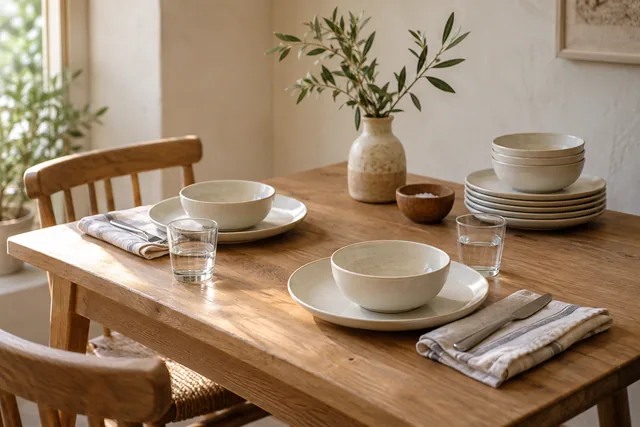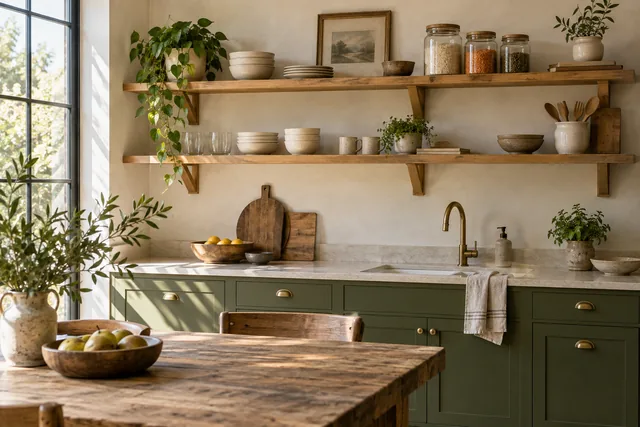
A compact home works better when each area has a clear job. Pick one corner before reorganising the whole room. Decide whether it should hold everyday bags, support a quiet reading break or bring a morning routine together.
Give the corner one clear job
List what you need to do there and which objects support that activity. Remove things that belong to another routine. A charging area, for example, needs a place for devices and suitable cable access; it does not also need to become a mail pile.
Use the smallest useful set of items. A reading corner may only need an existing chair, reachable light and a small place to set a cup. More shelving is optional.
Measure the space in use
Check the footprint of the furniture and the space you need around it. Open nearby doors and drawers. Sit down, stand up and carry the items you normally use through the area. A neat photograph does not tell you whether the arrangement works in motion.
Keep cables away from walking routes, follow electrical product instructions and leave required ventilation around equipment. Before mounting shelves, identify the wall type and suitable fixing requirements.
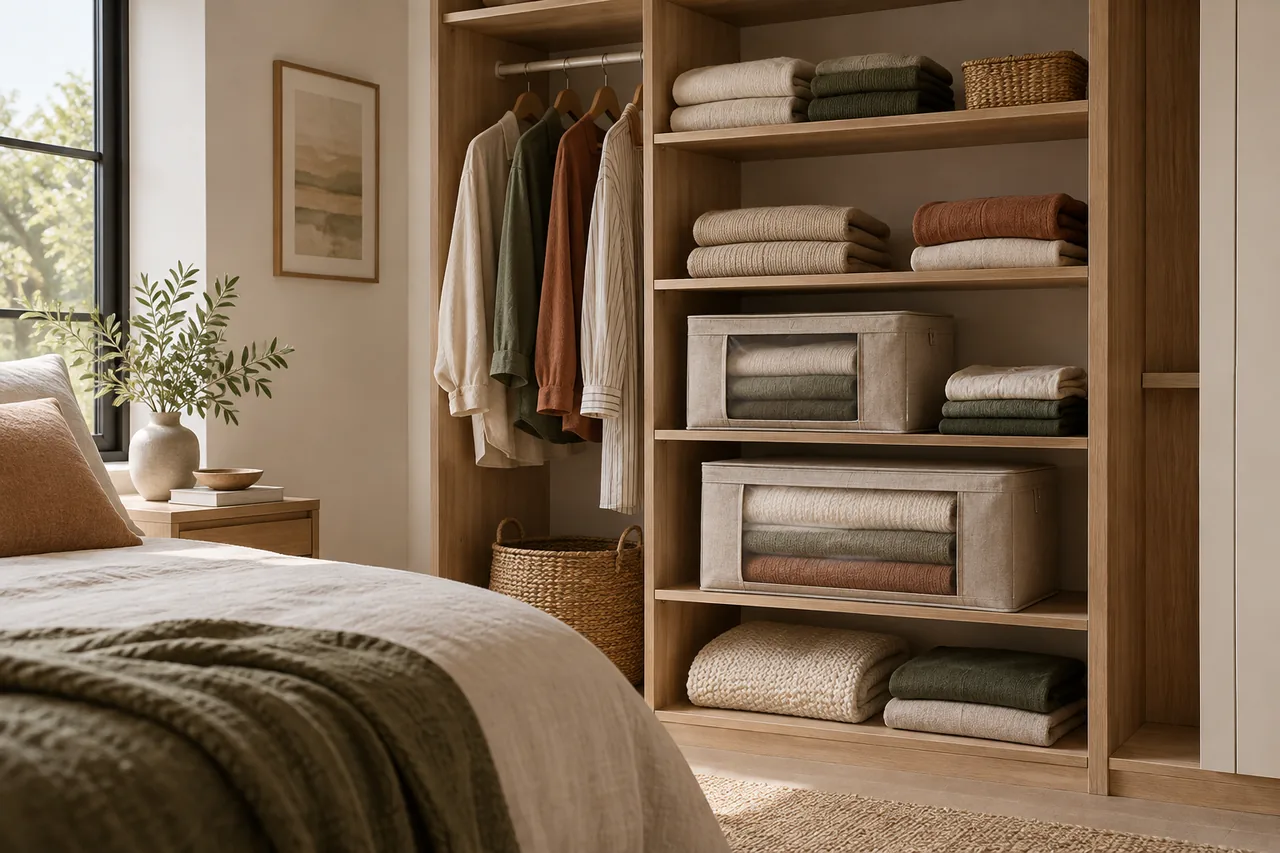
Use existing furniture first
Try a tray on a shelf for keys, a basket beside a chair for one throw or a small table moved from another room. Live with the arrangement for a few days before adding anything new.
| Corner | Start with | Leave room for |
|---|---|---|
| Entryway | A defined place for everyday bags | Door swing and an unobstructed exit |
| Reading spot | A comfortable existing seat | Standing up and reaching the light |
| Morning drinks | One accessible group of essentials | Preparation and appliance clearances |
| Wardrobe corner | One manageable storage group | Removing the group without unloading everything |
On a small screen, scroll the table sideways to see every column.
Review after a few ordinary days
Look at what has collected there. If unrelated objects keep arriving, the corner may need a clearer boundary or a different location. If the useful items are still hard to reach, change their position before buying extra storage.
Prioritise safe access and a comfortable routine over squeezing in another shelf. A smaller arrangement that is easy to reset will usually be easier to live with.
Common questions
Is vertical storage always the answer?
Only if you can reach it comfortably and install it appropriately. High shelves may suit occasional light items, but they can make everyday access harder.
What if I rent?
Check the tenancy requirements before attaching anything. Start with freestanding furniture you already own; do not assume removable adhesive will leave every surface undamaged.
Next, choose a storage format or use the kitchen measurement checklist for a small cooking area.